

By Assoc. Prof. Dr Goh Yi Sheng, Head – Department of Art, Design and Media, School of Arts, Sunway University
It seems to be a “normal” situation in Malaysia that disasters occur whenever it rains. Since the great floods at the end of December last year, urban residents have been terrified by the word “rain” and are still struggling to cope with the tragic situation of frequent floods. When a flood occurs, rescue work will be carried out immediately. Will the elderly be the “priority target” of rescue? The recently published “Research Report on the Experience of the Elderly in Floods” gives the answer, “No”!
This may be very confusing? Elderly people who are unable to escape independently and are in urgent need of rescue are not the primary target of rescuers during floods? A survey was conducted on the physical and mental conditions and problems faced by the elderly before and after the flood. The “Research Report on the Experience of Elderly People in Floods” tells the authorities why rescue units ignore the priority of rescuing the elderly. The reason is: “Insufficient disaster relief experience!”
Rescuers obviously have little idea of the response measures that should be taken by the elderly when facing disasters. Whether it is the government or non-governmental rescue teams, whenever a disaster occurs, they basically adopt the measure of “rescue whoever they meet”.
However, the elderly have a low awareness of disasters and are slower to act, so they need more help than “ordinary people” because the needs and situations faced by the elderly in disasters are different.
The report shows that when floods strike, the problems faced by the elderly include:
●Mobility difficulties
● Long-term medication is required
● Medical care
● Dietary restrictions
● Unwilling to leave home
●Difficulty adapting to new environments (evacuation centers), etc.
The above problems will cause them to face physical and psychological harm.
The research team also pointed out that most disaster response research or the actual help provided by rescue teams is usually given to children. Nowadays, the global population is aging rapidly, but the elderly are often ignored in disasters, which will make rescue work more inefficient.
Respond effectively to disasters
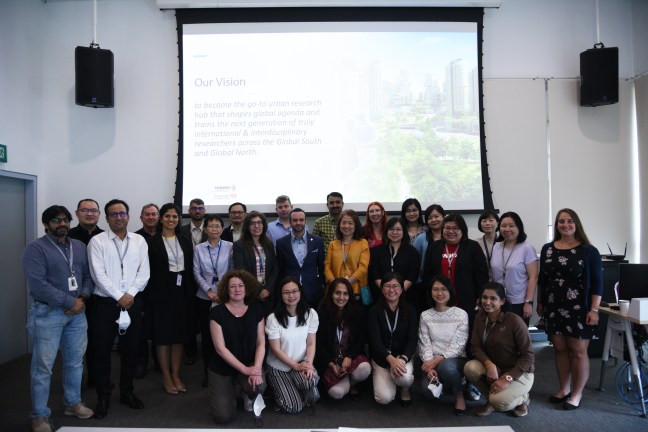
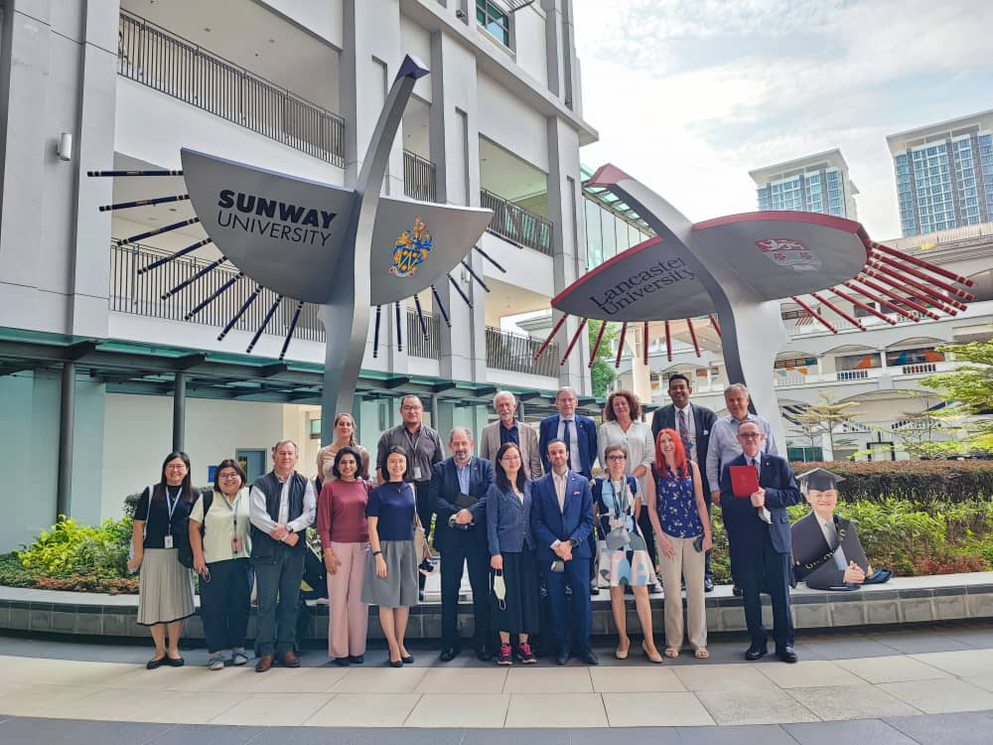
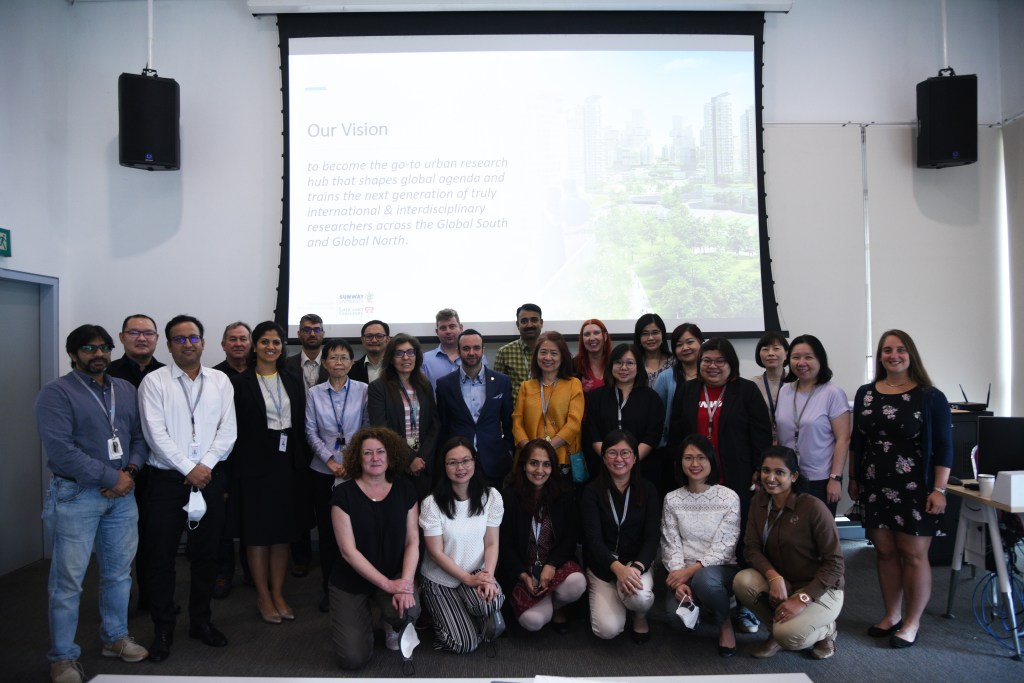
The Future Cities Research Institute (FCRI) is a research institute jointly established by Sunway University and Lancaster University in the UK. The “Study Report on the Experience of Elderly People with Floods” is a research topic based on one of the four major research themes – “Resilient City”. Due to the increasingly serious global warming problem and the overdevelopment of urban areas, disasters have occurred frequently in cities. Therefore, the research topic of “Resilient City” also includes how to quickly recover or effectively respond to disasters when encountering disasters.
The report’s research team consists of four researchers from different disciplinary backgrounds, including Dr. Goh Yi Sheng, a senior lecturer from the Department of Art, Design and Media, and Dr. Catherine Lee Cheng Ean, an Associate Professor from the Department of Communication, both from Sunway University, as well as two researchers from Lancaster University, namely Juliana Sutanto from Indonesia and Hu Yang from China.
The research started in March this year. The research topic is based on the severe floods that occurred in our country in December 2021. By interviewing 60 elderly survivors and government and non-governmental rescue agencies, the needs of the elderly in the face of floods were understood so that Malaysia’s rescue operations can be more efficient and a more friendly, fair and inclusive urban space can be established.
In addition, a Malaysian Disaster Photography Exhibition was held in conjunction with the research report to allow the public to understand and realize the seriousness of the issue.
Recalling the floods and physical and mental trauma
The 60 respondents were all from flood-hit areas in the Klang Valley, including Taman Putra, Hulu Langat, Kuala Selangor and Klang.
Goh Yi Sheng said: “When these elderly people were interviewed, they still felt scared when they recalled the situation at that time, and some even cried while talking about it. This shows how serious the trauma they suffered. They did not expect such a big flood to happen, and they were not prepared at all. They felt very helpless at the time.”
The report lists the situations that the elderly face when floods occur, including:
1. Don’t leave until the worst happens
●“There have been floods before, but the water level is usually very shallow. I didn’t expect it to rise so high that time.”
●“I have eight cats at home and I can’t take them to someone else’s house to stay.”
2. Panic
●“We were all confused and had no idea what was going on.”
●“Many people cannot be contacted and we don’t know whether others have escaped or stayed at home.”
3. Need help to evacuate
●“I am a paraplegic and can only lie in bed and cannot move. The water level keeps rising and I can’t get any help.”
●“My son rowed his boat to save me.”
●“My grandson took us two old people out of the house.”
● “We didn’t see any government personnel coming to assist us when the incident happened. They showed up a few days later, but it was too late.”
4. Fear
●“That was the first time in my life that I felt so scared!”
● “Some non-governmental organizations held dinners in the evacuation centers and sang songs for us, which made us forget our fears and worries for a while.”
5. Need financial assistance
●“The cleanup and repairs afterwards cost nearly RM40,000 in total. This was the worst experience of my life!”
●“The insurance company has not responded yet.”
6. Need help cleaning the house
● “Some people from the temple will come to help with washing the floor, cleaning and tidying up.”
7. Strengthen community cohesion
● “From this experience, we saw that people supported each other regardless of race, and walked hand in hand across bridge after bridge.”
●“We didn’t see any government personnel coming to help. We just had to rely on the residents to help each other.”
Be prepared to evacuate
Catherine Lee pointed out that after experiencing the great flood, most people have a higher awareness of disasters. They will be prepared and put important things in their bags first, and will evacuate quickly if they find something unusual. However, some people hold different ideas. They think that the water level did not rise to the second floor, so they prepare various supplies and move to the second floor for shelter in case of flood.
In addition, some people hope that the government can complete the flood control ditch project and drainage ditch improvement project as soon as possible to prevent floods from happening again.
Goh Yi Sheng also recounted the personal experience of a survivor. An old lady was trapped in the room when the incident happened. As the water level kept rising, she climbed from a chair to the cupboard and kept shouting for help. An elderly man living alone next door who happened to be taking shelter on the roof heard the cry for help and rushed over to break the tiles on the roof and successfully rescued the old lady.
“After this terrible flood, now whenever it rains and thunders, they will immediately check the water level in the ditch and can’t sleep at night.”
In addition, Catherine Lee also added that evacuation centers should also be equipped with basic medicines for emergencies, and food supplies must be sufficient.
“Elderly care experts say that if the elderly do not eat or eat very little, they will suffer from malnutrition and hallucinations, and become incoherent. In addition to material assistance, respondents also pointed out that they need spiritual support, such as someone to chat with them or listen to their experiences, which can temporarily relieve their mood and put aside their worries.”
Three major rescue challenges
In terms of disaster response, the research team spoke to firefighters and members of Congress as well as non-governmental organizations in the relevant areas.
Government agencies pointed out that the rescue challenges they faced included:
·Residents are not prepared (especially in areas where floods have rarely or never occurred);
Major floods that exceed the capacity of rescue operations;
·Disruption of communication networks and lack of effective communication channels between the government and non-governmental organizations.
Government units said that since there is no disaster relief policy specifically formulated for the elderly, they need to rely on the assistance of community leaders or community heads.
“While carrying out rescue work, we must also consider the safety of firefighters. If there is no one to lead the way, firefighters can only blindly look for survivors, which is even more inefficient. Therefore, we need to rely on village heads or community leaders to lead the way, determine the priority targets and house locations, and carry out rescue work in a targeted manner.”
Prioritize before rescue
In addition, they also suggested that the National Disaster Management Agency (NADMA), regional fire bureaus and community leaders should work together to establish a system to record the information of every household in the community so that priority targets can be rescued first during disaster relief. For example, focus on low-lying houses first, followed by houses with elderly people, and classify the elderly according to their conditions, such as poor health, bedridden, living alone, living with an elderly spouse, etc., so as to prioritize before rescue.
As for non-governmental organizations, the rescue challenges they face include the reluctance of the elderly to leave, their medical conditions and malnutrition, and the lack of trained volunteer teams. They admit that some volunteer teams have no experience in helping the elderly escape, which is indeed more difficult, and they also observe that the elderly are not the first group to be taken care of.
According to the non-governmental rescue team, they were not allowed to enter the disaster area for rescue without training. Therefore, they asked the relevant government units to provide training and establish an effective cooperation model with non-governmental units in order to prepare for future disaster relief and increase disaster relief manpower. Otherwise, even if there are people who can help, they will not be allowed to enter the disaster area.
“They believe that the most important thing is to instill the correct disaster awareness at an early stage among the elderly who are more mobile at the local level, and then have them spread it to others to prepare for any possibility of facing natural disasters.”
*First Published in e-Nanyang on 23rd November 2022









 Future Cities Research Institute